




Understanding Trend Following Timeframes: Short-Term vs. Long-Term Approaches
Trend following is a systematic trading strategy that capitalizes on the persistence of price movements. At its core, the philosophy is simple: identify a market direction and ride it until the trend reverses. However, the execution of this strategy varies dramatically depending on the timeframe selected. The choice between short-term and long-term trend following dictates not only the frequency of trades but also the capital requirements, psychological stress, and the specific analytical tools employed. Understanding the nuances of these two distinct approaches is essential for traders seeking to align their strategies with their risk profiles and lifestyle.
Defining Short-Term Trend Following
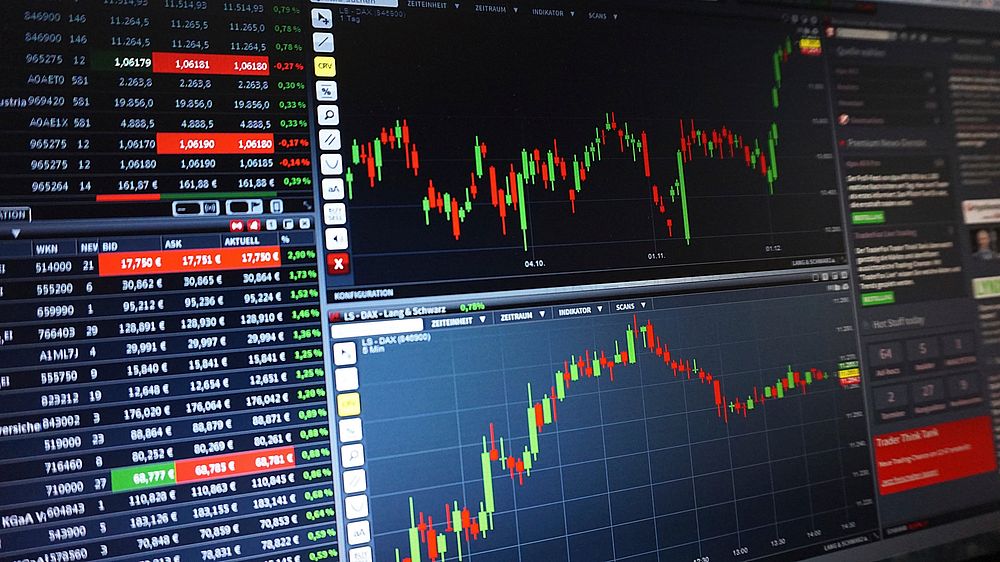
Short-term trend following typically involves holding positions for a period ranging from a few minutes to several days. Traders operating in this spectrum rely heavily on technical indicators that react quickly to price changes, such as moving averages with short lookback periods (e.g., the 9-day or 20-day EMA), Bollinger Bands, and momentum oscillators like the RSI or Stochastic. The primary objective is to capture “swing” movements within a larger market structure.
In this timeframe, the signal-to-noise ratio is significantly lower than in long-term trading. Markets are subject to intraday volatility, news-driven spikes, and liquidity gaps, which can generate false signals. Consequently, short-term trend followers must employ rigorous risk management, often utilizing tighter stop-loss orders to protect capital from rapid reversals. The frequency of trading is high, which necessitates a robust infrastructure, low transaction costs, and a disciplined mindset to avoid overtrading.
The Mechanics of Long-Term Trend Following
Long-term trend following, conversely, involves holding positions for weeks, months, or even years. This approach is synonymous with the “CTA” (Commodity Trading Advisor) style and legendary traders like the Turtles, who famously used a 20-day breakout for entry and a 10-day breakout for exit. Long-term traders typically utilize daily, weekly, or monthly charts and indicators like the 200-day moving average or the Ichimoku Cloud.
The defining characteristic of this approach is its reliance on “fat tails”—the rare but massive trends that compensate for the small losses incurred during choppy or range-bound markets. Long-term trend followers accept a lower win rate (often 30-40%) in exchange for the potential for outsized gains. Because the timeframe is expanded, the “noise” of daily fluctuations is filtered out. This approach requires a high tolerance for drawdowns, as open profits can fluctuate significantly before the trend concludes. It is a game of patience and endurance, often requiring traders to sit through uncomfortable retracements to capture the full breadth of a major move.
Volatility and Position Sizing Implications
The choice of timeframe directly impacts position sizing and volatility exposure. Short-term strategies often involve smaller position sizes to accommodate the higher frequency of trades and the risk of slippage. However, the cumulative exposure can be high due to constant market participation. Short-term traders must be adept at scaling in and out of positions.
Long-term strategies allow for larger position sizes relative to account equity, as the stop-loss levels are wider. However, the “heat” or risk of ruin is managed through diversification across multiple uncorrelated markets. A long-term trend follower might hold positions in 20 to 50 different futures contracts or Forex pairs simultaneously to smooth the equity curve. This diversification is harder to achieve in short-term trading due to the intense focus required for rapid execution.
The Role of Transaction Costs and Slippage
Transaction costs are a critical differentiator between these approaches. In short-term trend following, the strategy is highly sensitive to commissions and the bid-ask spread. A strategy that looks profitable on a gross basis may turn negative after accounting for the cost of frequent trading. High-frequency trading environments demand low-latency execution and competitive brokerage rates.
In contrast, long-term trend following is less sensitive to transaction costs. Because trades are infrequent, the cost per trade is amortized over a longer holding period. This makes long-term strategies more accessible to retail traders who may not have access to institutional-grade execution speeds or zero-commission structures. However, slippage can still be a factor during major market gaps, which are more common in long-term holding periods.
Psychological Demands and Discipline
The psychological profile required for each timeframe is distinct. Short-term trend followers must possess quick decision-making skills and the ability to detach emotionally from individual trades. The rapid feedback loop can be addictive, leading to impulsive behavior if discipline is lacking. The stress of monitoring screens for hours can lead to burnout.
Long-term trend followers require a different kind of psychological fortitude: the ability to withstand boredom and the pain of giving back open profits. They must resist the urge to interfere with trades based on daily news or market commentary. The discipline lies in adhering to the system’s rules over months of drawdowns. This approach is often better suited for individuals with careers outside of trading, as it requires less screen time.
Market Regimes and Adaptability
No strategy works in all market conditions. Short-term trend following tends to perform well in volatile, range-bound markets where there are frequent swings. However, it can suffer in strongly trending markets where a “buy and hold” approach would outperform, as the short-term trader may exit prematurely due to a minor pullback.
Long-term trend following excels during major macroeconomic shifts—such as the 2008 financial crisis or the 2022 inflation surge—when trends persist for extended periods. However, it struggles in “whipsaw” markets where trends reverse quickly before the long-term signal is confirmed. A long-term trader might suffer a series of small losses during consolidation phases, testing their resolve to stick with the system.
Technology and Execution Requirements
Short-term trading demands a robust technological setup. Traders need reliable internet connections, advanced charting software, and often automated trading systems to execute orders within milliseconds. The margin requirements for day trading (in equities) are also stricter (e.g., the Pattern Day Trader rule in the US).
Long-term trading is significantly easier to execute manually. A trader can review charts once a day, place orders, and walk away. The reliance on automation is lower, though many long-term traders still use systematic rules to remove emotion. The flexibility allows for a “set and forget” approach, making it more compatible with a passive income lifestyle.
Conclusion
Selecting between short-term and long-term trend following is not a matter of superiority but of suitability. Short-term approaches offer the allure of frequent profits and rapid feedback but demand high attention, low costs, and quick reflexes. Long-term approaches offer the potential for massive asymmetric returns and lower operational overhead but require immense patience, deep pockets, and a tolerance for prolonged drawdowns. Successful traders often find that their optimal timeframe aligns with their personality, available time, and capital base, rather than simply chasing the latest market fad.

